
The Mid-Autumn Festival
The Mid-Autumn Festival
The Mid-Autumn Festival is the second most important traditional festival
in China after the Spring Festival. It is celebrated on the 15th day of the 8th
LUNAR month. However do you know why we call it “中秋节” in Chinese? Let’s find out together!
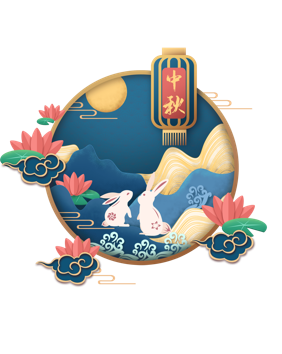
A year is divided into four seasons:
Spring
Summer
Autumn
Winter
For the order, in Chinese 仲 means second.
According to traditional Chinese calendar, each season is further divided into 3 phases. The 8th lunar month is the second month in autumn and the 15th day is in the middle of the month, that’s how the festival gets its name-the Mid-Autumn Festival.
The Mid-Autumn Festival originated from the ancient people's worship of the moon. In the documents of the Western Han Dynasty there are records of Chang’e flying to the moon and Wu Gang cutting an osmanthus.
The festival came into being in the Song Dynasty and became important in the Ming and
Qing Dynasties.
How we celebrate this holiday?
- Worshiping and appreciating the moon 祭月
- Eating mooncakes 吃月饼
- enjoying osmanthus blossoms 赏桂花
- drinking wine fermented with osmanthus flowers 饮桂花酒
All of which can date back to the ancient time. "Family reunion" is the theme of the Mid-Autumn Festival, during which the full moon means the full attendance of family members and the mooncake is a symbol of cherishing.
Every year, when the holiday is drawing near, people will buy mooncakes for their families or clients. Therefore, the mooncakes will be more expensive before the holiday and after they will be cheaper.
These days many vendors they could provide us various of mooncakes, not only the traditional one, but also the “ Modern one” if I would like to say since they even mix some chocolates inside.
Chinese culture has such a huge influence that the Mid-Autumn Festival has been introduced into countries in East and Southeast Asia, and is greatly treasured by overseas Chinese there.
In 2006, the Mid-Autumn Festival was listed by the Chinese State Council in the first batch of Intangible Cultural Heritage of the country.


